Currently Scheduled Scottish EFT Trainings
Emotion-Focused Therapy Level 2 – 2026 (online training)
Level 2A module – Advanced Empathic Attunement
Dates: Friday 24th April, Mon 27th April, Friday 1st May (9.30am-5pm, via zoom)
- Fee: £495
- Early bird fee: £450 until 1st March.
- Fee/Early Bird fee discounted further by 10% if attended EFT1 in Feb 2026 (£445/£400)
- Frequent Flyer fee: £250 (if you have done this training previously with the Scottish Institute / Strathclyde University)
- Low income countries discounts available, please enquire.
Facilitated by isEFT Trainers Joan Shearer & Ligia Manastireanu
Module A: Advanced Empathic Attunement & Relational Work
– Day 1:
AM: Empathic Attunement: Accessing Empathic Resonance & Opening our Channels of Receptivity;(Joan Shearer)
PM: Empathic Responses: Evocative Reflections and Empathic Affirmation. (Ligia Manastireanu)
– Day 2:
AM: Empathy Responses: Exploratory Reflections, Empathic Conjecture, (Joan Shearer)
PM: Process Reflection, Empathic Formulation (Ligia Manastireanu)
– Day 3:
AM: Relational Work: Engaging Clients & Establishing Presence; (Joan Manastireanu)
PM: Working with Relational Difficulties (Ligia Manastireanu)
To register for the course, or for any enquiries, please email: eftinstitutescotland@gmail.com
This module will be followed by two new Masterclasses run by Prof. Robert Elliott on ‘Therapist Process in Empathic Resonance’ & ‘Integrating Empathy: An Approach to Learning Deep Empathic Immersion.’
Dates: 1st and 2nd June 2026 (5pm-9pm UK time, via zoom)
To register for the course, or for any enquiries, please email: eftinstitutescotland@gmail.com
For more details, click here!
Level 2B module – EFT Fundamentals
Dates: Monday 31st August, Friday 4th September, Monday 7th September & Friday 11th September 2026 (9.30am-5pm, via zoom)
- Fee: £645
- Early bird fee: £595 until 1st July
- Fee/Early bird fee discounted further by 10% if attended EFT Level 1 and/or Level 2A with SI-EFT in 2026 (£580/£535)
- Frequent Flyer fee: £325 (if you have done this training previously with the Scottish Institute / Strathclyde University)
- Low income countries discounts available, please enquire.
Facilitated by isEFT Trainers Joan Shearer & Ligia Manastireanu
with cameo appearance from one of the EFT originators, Prof. Robert Elliott
Further Advanced Skills in EFT, will be run as masterclasses by Prof. Robert Elliott and other EFT specialists, to be announced soon
The Trainers
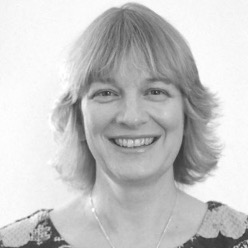 Joan Shearer is a humanistic psychotherapist, clinical supervisor and trainer, specialising in emotion-focused therapy. Initially trained in the person-centred approach at the University of Strathclyde, Joan then pursued training in emotion-focused therapy under Professor Robert Elliott (a co-founder of the EFT model), becoming a is-EFT certified therapist, supervisor and trainer. She is a co-founder and Director of the Scottish Institute of Emotion-focused Therapy. Joan is passionate about training and has experience delivering training in counselling skills, MSc and CPD courses. While her main interest is in clinical work and training, Joan also has an interest in client factors research and worked on a social anxiety research project at the University of Strathclyde. In addition to her work as a trainer, she also currently works in the out-patient service of a private psychiatric hospital and has a private practice offering psychotherapy to individuals and clinical supervision for individual and groups.
 Ligia Manastireanu trained as an EFT supervisor and trainer with Professor Robert Elliott, and they have been collaborating in various ways since 2017. Ligia has been delivering EFT training in Scotland, as well as internationally. She is a co-founder and director of the Scottish Institute for Emotion Focused Therapy (SI-EFT). Ligia is bringing her extensive clinical experience of working with clients with complex presentations and her passion for supporting therapists in their professional development, through the different roles she has had as a clinical lead, supervisor, and trainer. Alongside her SI-EFT colleagues, she is dedicating her time to supporting the development of the EFT community in Scotland, through seeing EFT supervisees, offering EFT training, as well as networking and further CPD opportunities. Ligia has conducted research in Collaborative Case Formulation in EFT and she is bringing her work and research findings into the EFT training.
Trainers offering Masterclasses
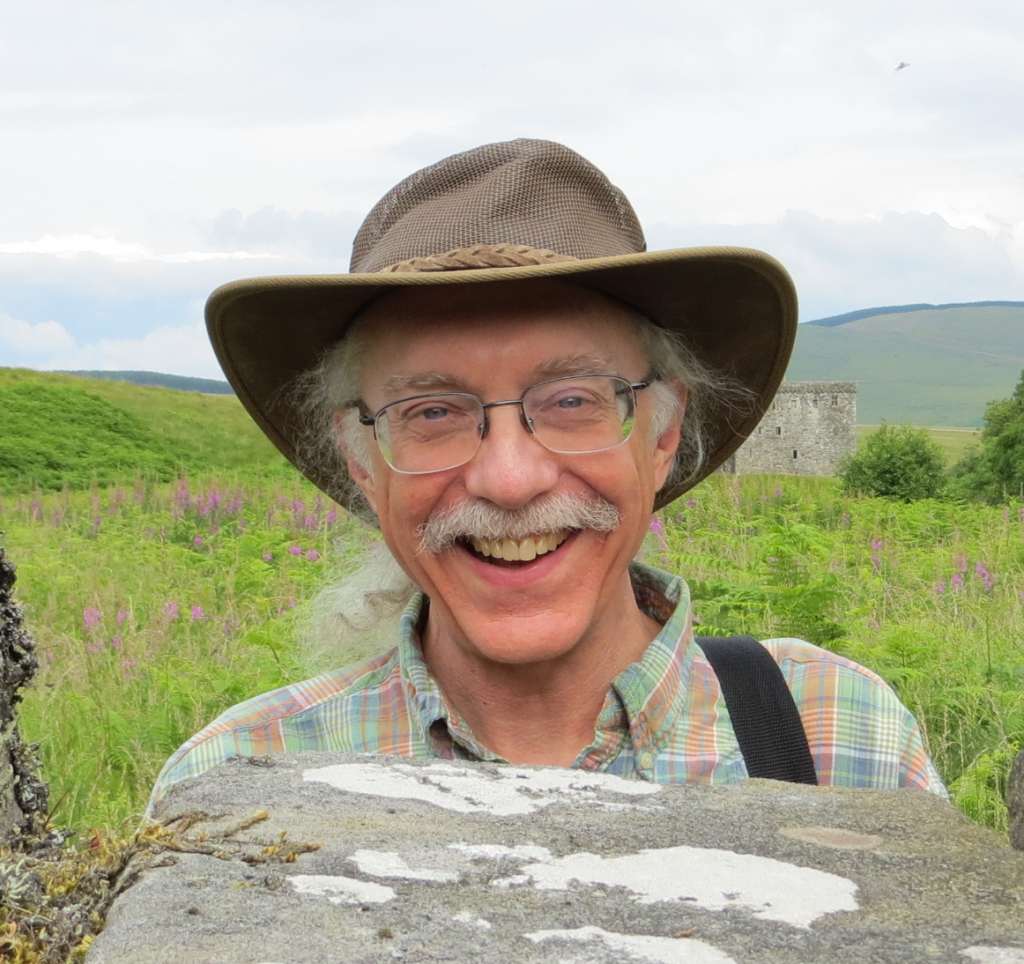 Robert Elliott, Ph.D. (preferred pronouns: they/them), is professor emeritus of counselling at the University of Strathclyde (Glasgow, Scotland). They received their PhD in clinical psychology from the University of California, Los Angeles in 1978, and are also professor emeritus of psychology at the University of Toledo (Ohio). Their main interests are practice, supervision, training, and research on EFT and related therapies. They co-authored Facilitating emotional change (1993), Learning emotion-focused psychotherapy(2004/2025), Research methods in clinical psychology (1994/2002/2015), Essentials of Descriptive-Interpretive Qualitative Research (2021), and Emotion-Focused Counselling in Action (2021), as well as 200 journal articles and book chapters. Robert is past president of the Society for Psychotherapy Research, and previously co-edited the journals Psychotherapy Research, and Person-Centered and Experiential Psychotherapies. They are a fellow in the divisions of Clinical Psychology, Psychotherapy, and Humanistic Psychology of the American Psychological Association, and received the Distinguished Research Career Award of the Society for Psychotherapy Research, and the Carl Rogers Award from the Division of Humanistic Psychology of the American Psychological Association. They now live in Northern California, in the ancestral lands of the indigenous Ohlone people, where they continue to enjoy developing, writing about and running EFT training, as well as walking, running, science fiction, poetry, and all kinds of music.
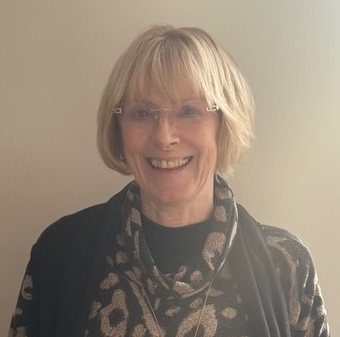 Lorna Dawson (Formerly Carrick) MSc, preferred pronouns she/her is a Teaching Fellow at the University of Strathclyde Where she teaches on the MSc’s in Person-Centred Psychotherapy and Counselling and on the Counselling Unit’s Advanced Professional Training Programme. She has a private practice that includes EFT Therapy, Supervision and Training.
She has developed several mental health projects and is a founder Member of the Clydesdale Counselling and Human Development Project which received NHS and third sector funding for over17 years. Her main interests are practice supervision, training and research, development of theory particularly in: Trauma and Crisis, Social Anxiety, PCE Counselling for Depression and Pre-therapy for clients with psychological contact difficulties.
Lorna has an MA Honors Degree in Psychology from The University of Glasgow and worked as a Clinical Psychologist for Tayside NHS prior to becoming Director of the Strathclyde Children in Care Scheme for the Strathclyde Social Work Department. She has a MSc in Counselling and Psychotherapy from The University of Strathclyde and has been a Mental health therapist for more than 35 years.
EFT level 3, Hosted by SI-EFT [Zoom]: Ligia Manastireanu & Joan Shearer
-
- 8 X Monday afternoons; group supervision
- One series currently running
- Recruiting for new 2025 series to start September 2025
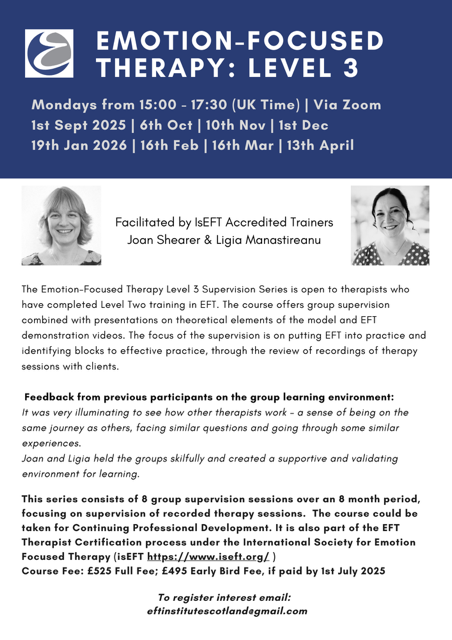
The course can count as CPD (20 hrs) and forms part of the IS-EFT Accreditation process (See Training Standards at http://www.iseft.org/ )
Format: The course format is group supervision, using an EFT approach to supervision.
In EFT Supervision there are four main ways of working:
- Using client recordings
- Case Formulation
- Personal work on stuck areas of practice
- Embodied supervision (Th. embodies client).
Delivery: online using zoom.
If you wish to enquire about this course, please contact us by clicking here!